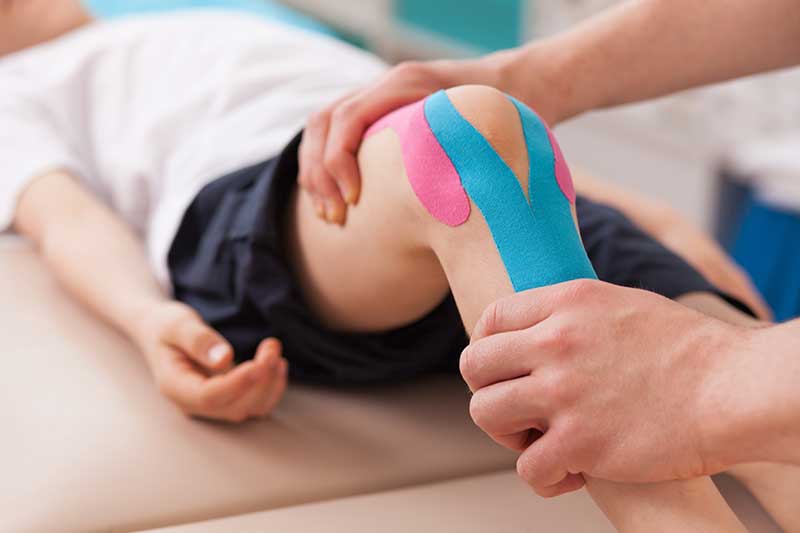
Fractures in children occur when a bone partially or fully breaks due to external force from a fall, sports injury, or direct impact. These bone injuries vary in severity and are typically categorized as:
- Open (compound) fractures: broken bones that pierce through the skin.
- Closed (simple) fractures: bones break but skin remains intact.
Older children often can describe their pain and how they got hurt, which helps in diagnosing fractures. But with babies or toddlers, it’s trickier since they can’t always communicate discomfort clearly.
It’s important to watch closely for fracture signs and get medical help quickly. Common fracture symptoms include:
- Hearing a snap or grinding noise at injury time
- Swelling, redness, or bruising near the injured area
- Severe pain that intensifies
- Pain increasing when moving the affected limb
- Visible misshaping or deformity
- Bone protruding through the skin
- Feeling dizzy or shivering
First-Aid Care for Fractures in Children
If your child fractures a bone, contact our caring team at Sammy Kim, MD right away and try these steps:
- Administer over-the-counter pain relief like paracetamol or ibuprofen following package directions.
- Avoid moving the injured part to prevent further damage.
- Carefully cut away clothing around the injury site.
- If possible, gently support the injury with a sling or splint until medical evaluation.
- For severe injuries, don’t give food or drink in case surgery is needed.
Call 911 immediately if there’s suspected head, neck, or back injury, or if a bone is visibly sticking out.
Causes of Bone Fractures in Children
Bone fractures happen when pressure on the bone exceeds its strength. In children, typical causes include:
- Trauma: falls, bike accidents, or sports tackles can break bones.
- Osteoporosis: weakened bones due to medical conditions increase fracture risk.
- Overuse: repetitive sports motions can strain bones leading to stress fractures.
Types of Fractures
Bones can break in several ways, including:
- Comminuted fractures: bone shatters into multiple pieces, often from serious trauma.
- Greenstick fractures: bone bends and cracks, common in young children with softer bones.
- Oblique fractures: diagonal breaks across the bone.
- Open (compound) fractures: bone breaks through the skin.
- Pathologic fractures: fractures due to weakened bones from illness.
- Stable fractures: bone ends remain aligned with minimal displacement.
- Stress fractures: tiny cracks caused by repeated pressure or overuse.
- Transverse fractures: breaks straight across the bone, usually from a sharp blow.
Fracture Diagnosis
At Sammy Kim, MD, our board-certified pediatricians review your child’s medical history, perform a physical exam, and order imaging tests such as:
- X-rays: quick scans to view bone damage.
- MRI: detailed images of bones, muscles, and nerves.
- CT scans: cross-sectional views to assess complex fractures or bone diseases.
Fracture Treatment for Children
Treatment aims to realign bones and keep them stable to heal properly. This involves casts, splints, or braces that hold the bones in place but don’t heal the fracture themselves.
Cast or Brace Immobilization
Casting is the standard approach after bones are aligned, using plaster or fiberglass to immobilize the area.
Braces allow limited joint movement and are often used for minor breaks.
Traction
Traction gently pulls bones into place and is used when casting isn’t suitable due to fracture type or location.
Surgery
Surgery may be necessary if bones don’t heal properly or if the fracture is severe. Procedures include:
- External Fixation: pins or screws stabilize bones connected to an external frame.
- Open Reduction and Internal Fixation (ORIF): bones are repositioned and secured with screws or plates internally.
Caring for Your Child’s Fracture at Home
Once home, encourage rest and limit activity to protect the cast and aid healing.
Key tips include:
- Watch pain levels and symptoms carefully.
- Keep the injured limb elevated with pillows.
- Follow all care instructions closely.
- Keep the cast dry to prevent irritation.
- Remove slings at bedtime as advised.
How a Fractured Bone Heals
Healing starts with blood clots forming around the break to protect and repair the bone.
A callus forms as new tissue bridges broken ends, gradually strengthening over weeks to months until bone fully recovers.
After The Cast Is Removed
Muscle weakness near the injury is normal after cast removal.
Your doctor will guide exercises to restore strength and flexibility. For dry or itchy skin, bathing with warm water and using fragrance-free moisturizer helps.
Preventing Fractures in Children
Prevent fractures by:
- Ensuring a diet rich in calcium and vitamin D for strong bones.
- Encouraging weight-bearing activities like running.
- Using proper safety gear during biking and sports.
- Installing safety gates on stairs and bedroom doors.
- Avoiding infant walkers to reduce injury risk.
Fracture Care for Your Child in Encino, CA
From common illnesses to chronic concerns, Sammy Kim, MD provides trusted pediatric care for your family.
We offer same-day appointments at our clinic in Encino, CA. Call us at (818) 789-0941 or contact us online to schedule.
Request an Appointment