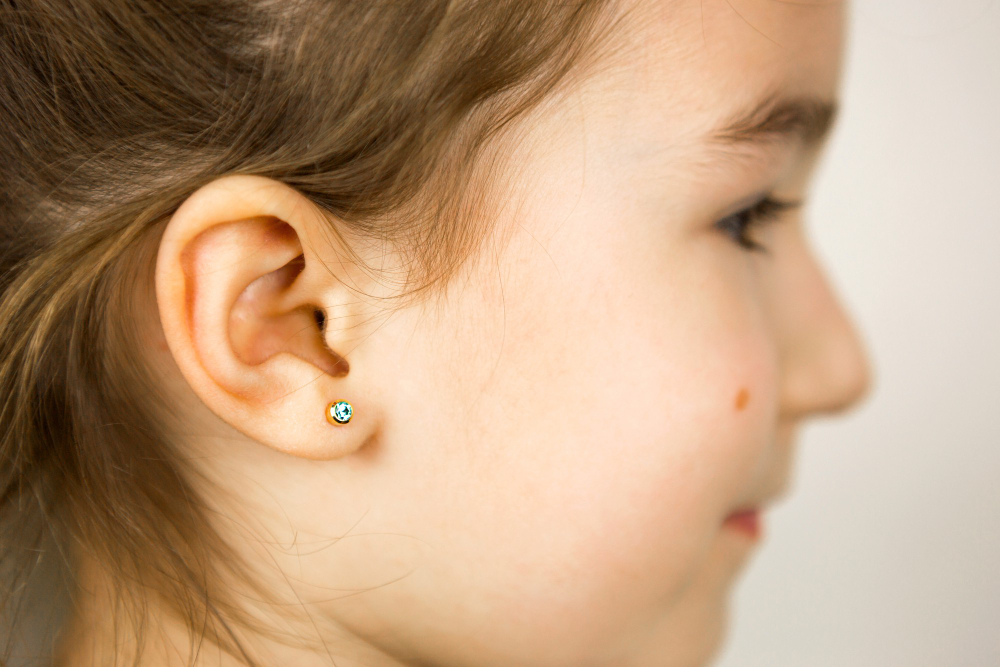
Ear infections, or otitis media, are among the most common illnesses affecting children from newborns to teens. Symptoms often include fever, ear pain, swelling, and trouble hearing.
These infections usually follow upper respiratory illnesses, allowing bacteria or viruses to reach the middle ear and cause inflammation. While many ear infections resolve without lasting effects when treated, it’s always wise to consult your trusted pediatrician if you have concerns about your child’s health.
Since babies and toddlers can’t always explain their discomfort, watching for signs of ear infections is key.
Request an AppointmentSymptoms of an Ear Infection
You might notice these symptoms signaling an ear infection in your child:
- Elevated body temperature (fever)
- Low energy or lethargy
- Difficulty hearing or responding to sounds
- Fluid or discharge draining from the ear
- Itching or irritation around the ear
- Dry, flaky skin near the ear
- Swelling and discomfort inside the ear canal
For infants and toddlers, additional signs include:
- Frequently rubbing or tugging at their ears
- Not reacting to familiar sounds
- Increased irritability or fussiness
- Sudden loss of appetite
If pressure builds from fluid accumulation, it can cause the eardrum to rupture, leading to dizziness, nausea, ringing in the ear, and balance problems.
Risk Factors for Ear Infections
Certain factors increase the likelihood of ear infections in children:
- Age: Kids under two years are more vulnerable due to the shape of their eustachian tubes and their developing immune systems. These tubes connect the middle ear to the back of the nose.
- Childcare Attendance: Being around other children in daycare settings increases exposure to germs.
- Bottle-feeding: Feeding babies while lying down can promote fluid entering the ear.
- Season: Ear infections tend to spike during colder months like fall and winter.
- Air Quality: Exposure to tobacco smoke or pollution raises risk.
Complications from Ear Infections
Most mild infections don’t cause lasting problems. However, untreated or frequent infections can lead to:
- Hearing loss
- Speech or developmental delays related to hearing issues
- Spread of infection to surrounding tissues
- Ruptured eardrum
Managing Ear Infections at Home
Whether your child is taking antibiotics or not, these home remedies can ease discomfort.
Helpful Steps
To relieve ear pain, try:
- Giving age-appropriate over-the-counter pain relievers like acetaminophen or ibuprofen.
- Applying a warm or cool compress gently over the affected ear.
- Cleaning any discharge carefully with cotton wool (avoid inserting anything into the ear canal).
What to Avoid
Avoid these to prevent worsening the condition:
- Never insert cotton swabs or fingers inside the ear canal to clean earwax.
- Avoid aspirin in children to prevent Reye’s syndrome.
- Do not use decongestants or antihistamines without doctor advice.
When to Contact Your Doctor
If symptoms persist beyond three days of home care or if your child has a high fever, please call your pediatrician.
Seek emergency care immediately if your child shows:
- Severe ear pain
- Fever above 105°F
- Stiff neck or sensitivity to light
- Cold or pale extremities
- Blue or blotchy lips or tongue
- High-pitched or weak crying
- Excessive sleepiness or difficulty waking
- Breathing difficulties
- Drooling or leaning forward
- Blood or pus drainage from the ear
- Severe abdominal pain or shaking
Treatment Options for Ear Infections
Your pediatrician at Sammy Kim, MD will evaluate symptom severity, infection duration, and hearing impact before recommending treatment.
This may include hearing assessments, physical exams, and antibiotics.
For children with frequent infections or speech delay risks, ear tube placement may be advised. This minimally invasive surgery helps fluid drain and pressure equalize in the middle ear.
Preventing Ear Infections
To reduce ear infection risk:
- Teach proper handwashing and discourage sharing food or utensils.
- Avoid tobacco smoke exposure around your child.
- Breastfeed when possible to help build immunity in infants.
- Feed babies upright to prevent fluid buildup in ears.
- Keep vaccinations current, including yearly flu shots for kids six months and older.
Trusted Care for Children with Ear Infections
From common illnesses to allergies and chronic conditions, our board-certified pediatricians at Sammy Kim, MD provide the caring, hands-on care your family deserves.
We offer same-day appointments in our Encino, CA clinic. To schedule, call us at (818) 789-0941 or contact us online.
Request an Appointment